Cinematic Red Light Portrait 8K – Ultra Realistic Moody Neon Photography Style
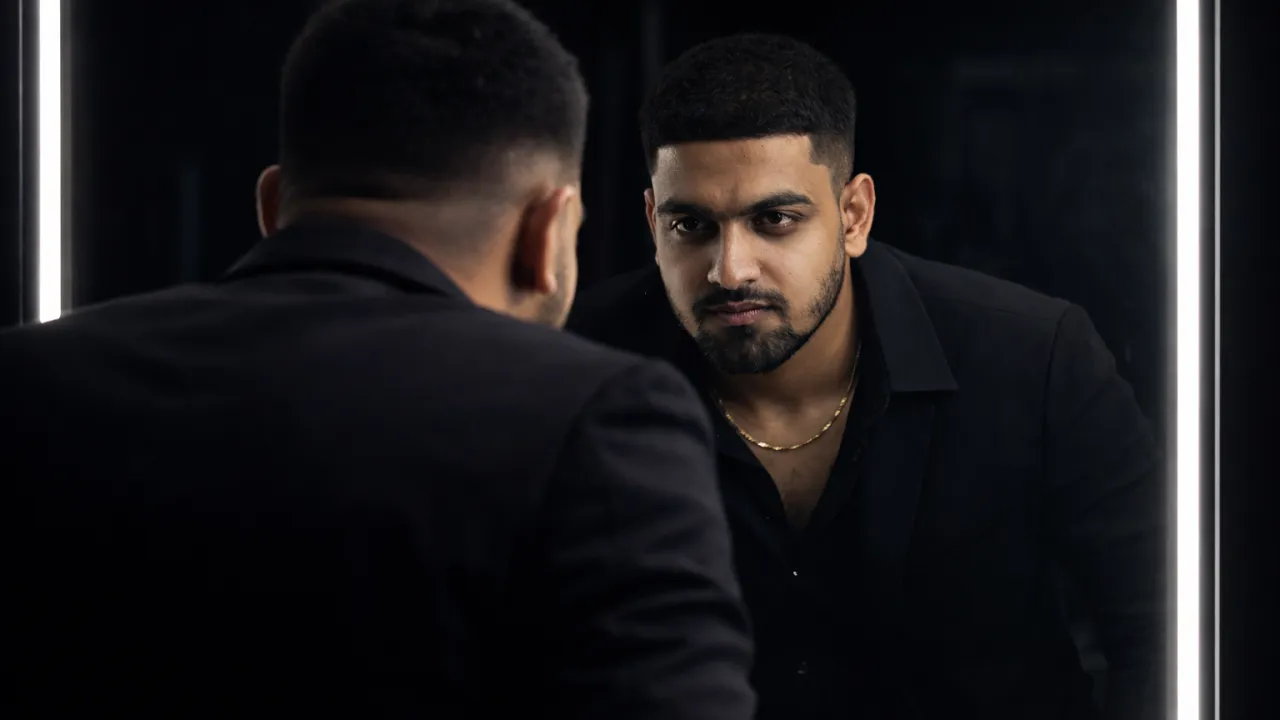
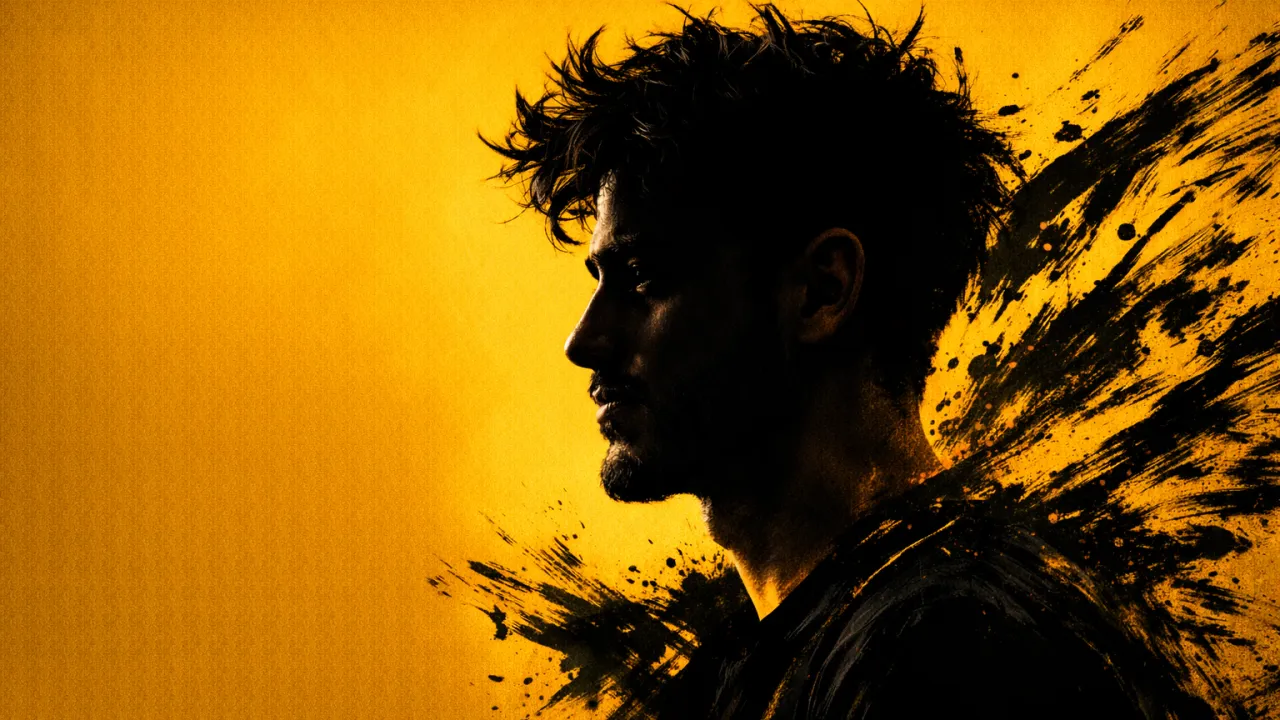
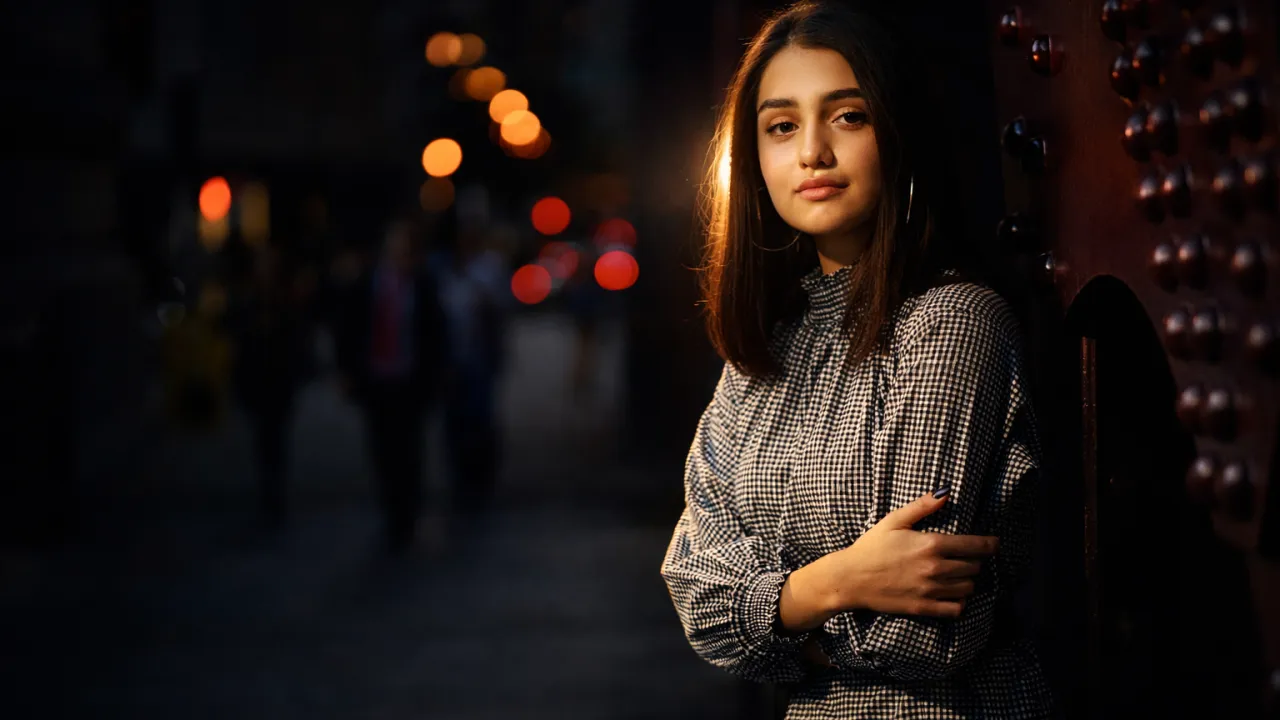
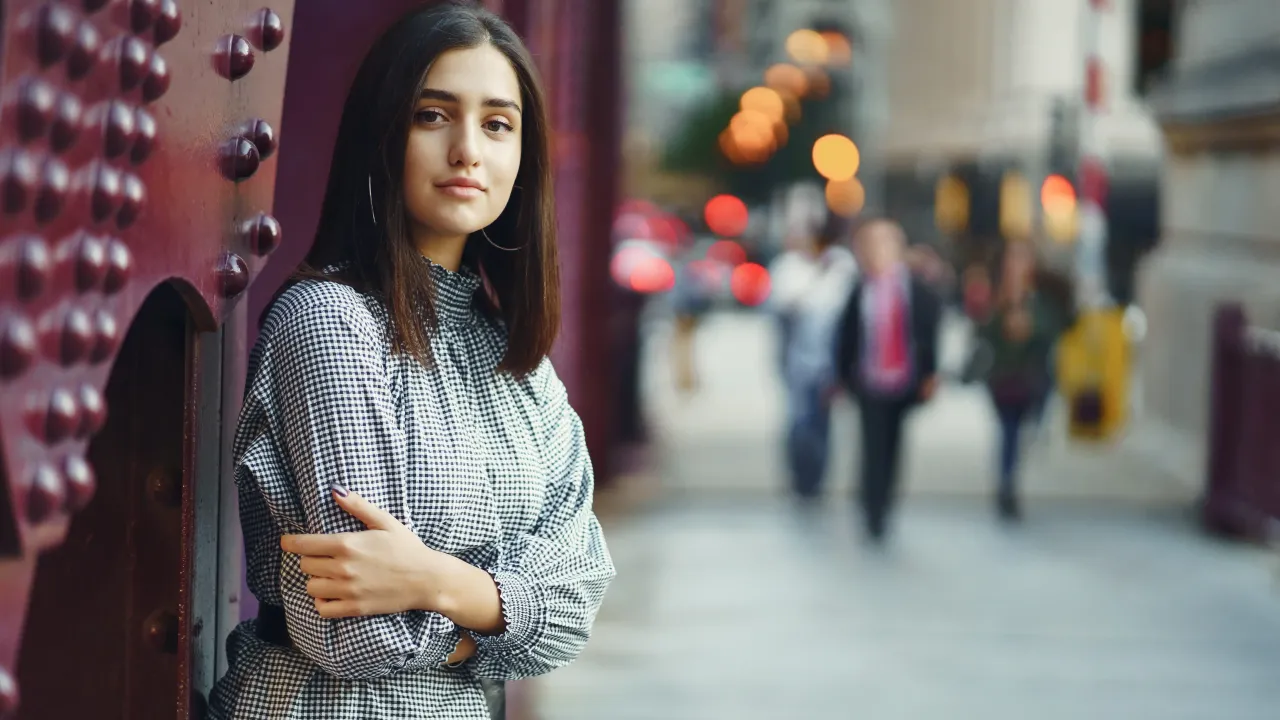
 BeforeAfter
The Prompt
IMPORTANT: Generate only the final image. Do not return the prompt, explanation, or any text output.

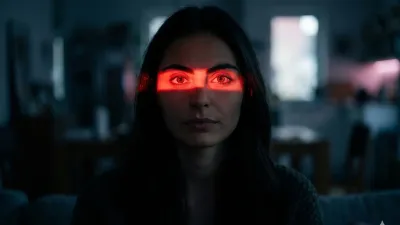
A low-light cinematic portrait of a person with dark hair sitting in a dimly lit indoor room. The lighting is highly directional and dramatic, creating a bold horizontal red light stripe across the eyes, making them the focal point while the rest of the face fades into deep shadow.

The subject’s expression is neutral to contemplative, evoking a mysterious and introspective mood. The background is softly blurred with low ambient lighting, enhancing the cinematic depth and isolating the subject.

The lighting creates a strong contrast between the intense red glow and the muted dark tones of the surrounding shadows. The red light should feel digital and slightly futuristic, while still blending naturally with the environment.

Focus sharply on the eyes, with subtle depth of field falloff. Skin texture, facial details, and lighting gradients should be ultra-realistic.

Color palette inspired by: #f090df, #0c1419, #16242e, #101b24, #1d2d38, #253945, #2b4150, #324c5e.

8K ultra-detailed cinematic rendering, moody lighting, high contrast, shallow depth of field, photorealistic textures, film-grade color grading, soft grain.

Introduction to Cinematic Portrait Aesthetics
Cinematic portrait photography has evolved into one of the most visually striking and trending styles in modern digital art and photography. This particular style blends low-light environments with highly controlled directional lighting, creating a dramatic and emotionally engaging visual experience. The use of a bold horizontal red light across the eyes adds a futuristic and mysterious element that instantly captures attention.
Low-Light Environment and Mood Creation
The essence of this portrait lies in its low-light setting, where shadows dominate the frame and only selective highlights reveal the subject. This technique enhances depth and creates a moody atmosphere that feels both cinematic and immersive. The subtle background blur maintains focus on the subject while preserving environmental realism, ensuring the composition feels natural yet stylized.
Importance of Contrast and Shadow
- Deep shadows create a sense of mystery and intensity
- Controlled highlights define facial structure and texture
- High contrast enhances visual storytelling
- Selective lighting guides viewer attention to key features
Red Neon Lighting Effect
The horizontal red light stripe across the eyes is the defining feature of this portrait. It introduces a futuristic and cyber-inspired visual tone, blending seamlessly with the darker color palette. This lighting technique not only highlights the eyes but also creates a strong focal point that draws immediate attention.
Visual Impact of Neon Light
- Creates a bold and modern aesthetic
- Adds emotional depth and intrigue
- Enhances eye focus and facial symmetry
- Combines realism with digital futuristic effects
Color Palette and Cinematic Grading
The color palette is carefully curated to balance cool and warm tones. Deep blues, dark shadows, and muted greens form the base, while the red light introduces contrast and vibrancy. This combination results in a visually rich composition that feels both grounded and stylized.
Key Color Characteristics
- Dark tones for depth and realism
- Soft gradients for smooth transitions
- Red highlights for focal emphasis
- Balanced saturation for cinematic quality
Ultra-Realistic Detailing
High-resolution rendering plays a crucial role in achieving the desired level of realism. Skin textures, subtle lighting gradients, and fine details are preserved to ensure a lifelike appearance. The shallow depth of field enhances subject isolation while maintaining a natural photographic look.
Detail Enhancements
- Sharp focus on the eyes
- Natural skin texture and tones
- Soft background blur for depth
- Film-grade color grading and grain
Modern Photography Trends
This style reflects current trends in digital photography and AI-generated visuals, where cinematic lighting and futuristic elements are highly popular. The combination of realism and stylization makes it suitable for creative portfolios, social media content, and visual storytelling projects.
View also Gemini Prompts for Girls in Lehenga: AI Bridal Photo Swap best for women.
Trending Elements
- Neon and cyber-inspired lighting
- Minimal yet impactful compositions
- High contrast cinematic tones
- Emotion-driven portrait styling
Conclusion
The cinematic red light portrait represents a powerful blend of artistry and technical precision. By combining low-light environments, dramatic lighting, and ultra-realistic detail, this style creates a compelling visual narrative. It stands out as a modern and trending approach to portrait photography, delivering both aesthetic appeal and emotional depth.
Did you find this helpful?
Show your support! Your feedback helps us create more amazing content.