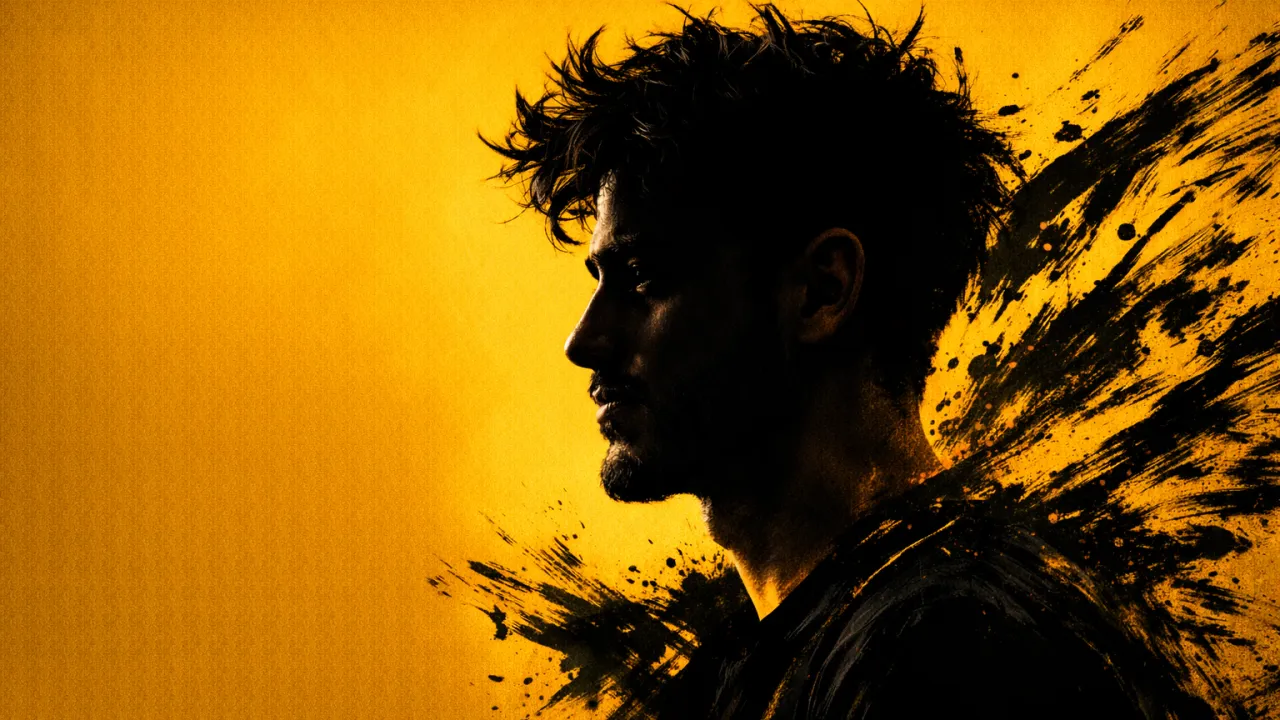
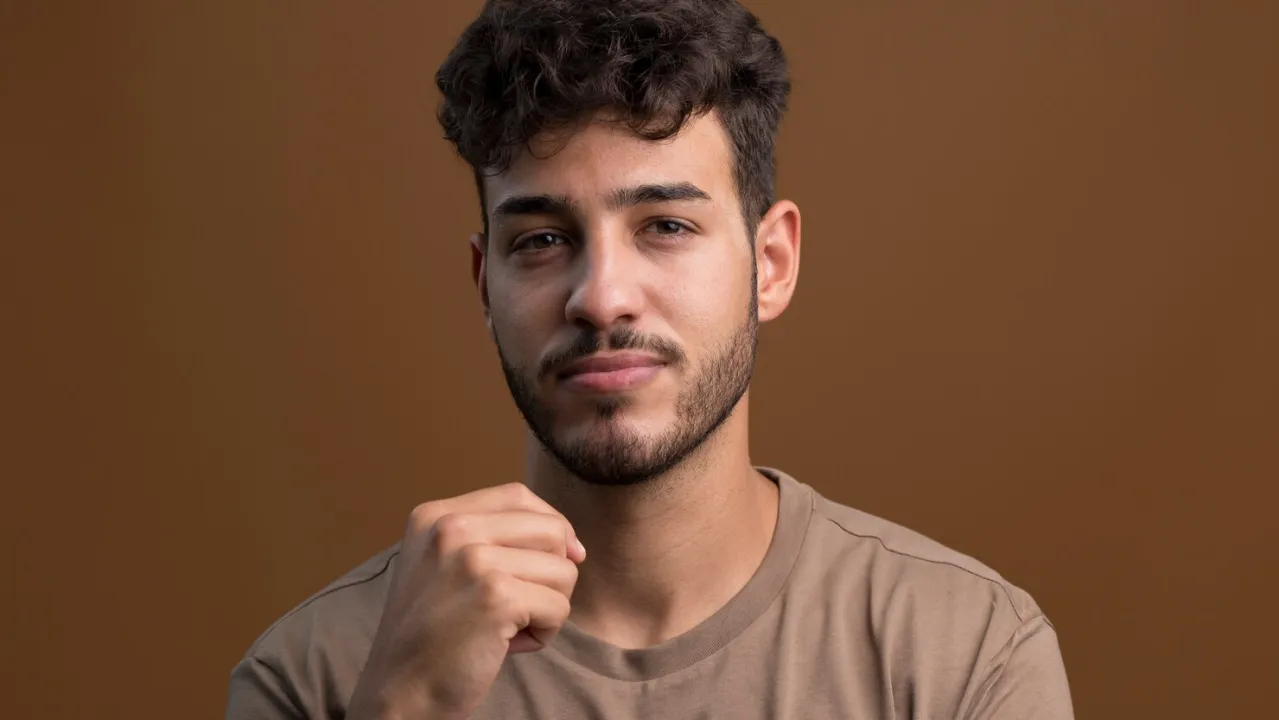
Ultra-Realistic Aesthetic Portrait Prompt | Natural AI Photography Guide
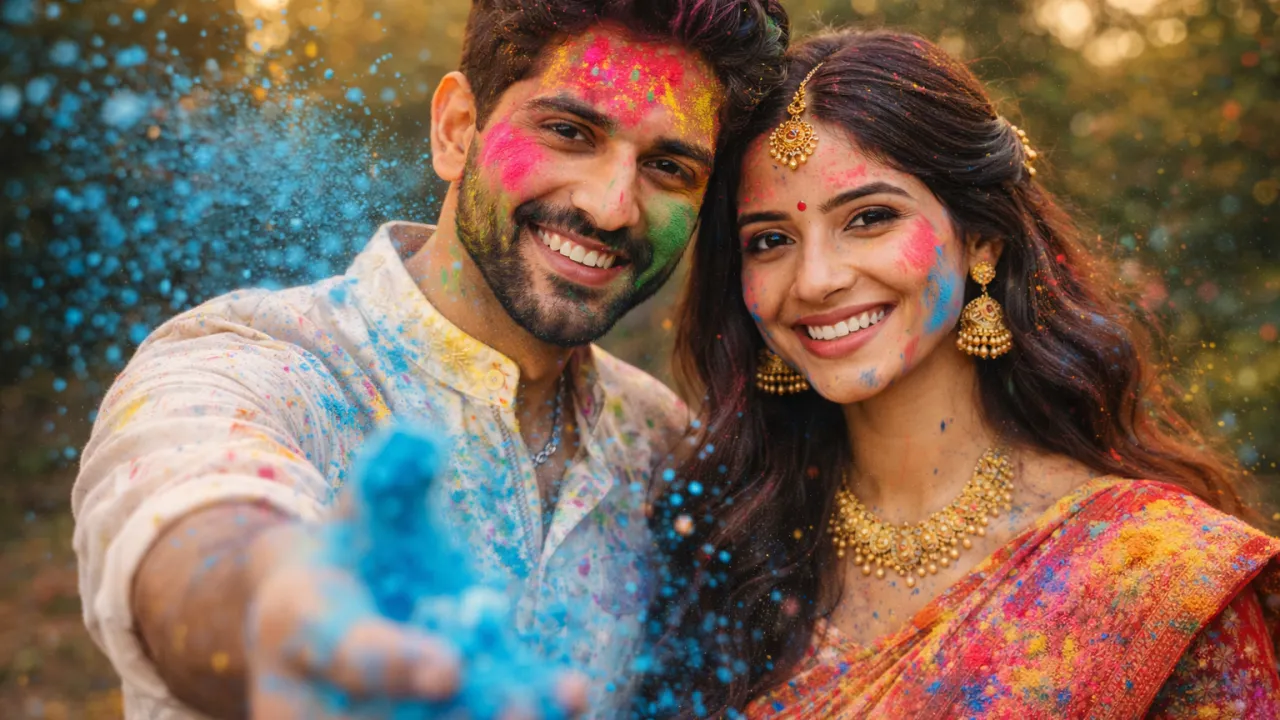
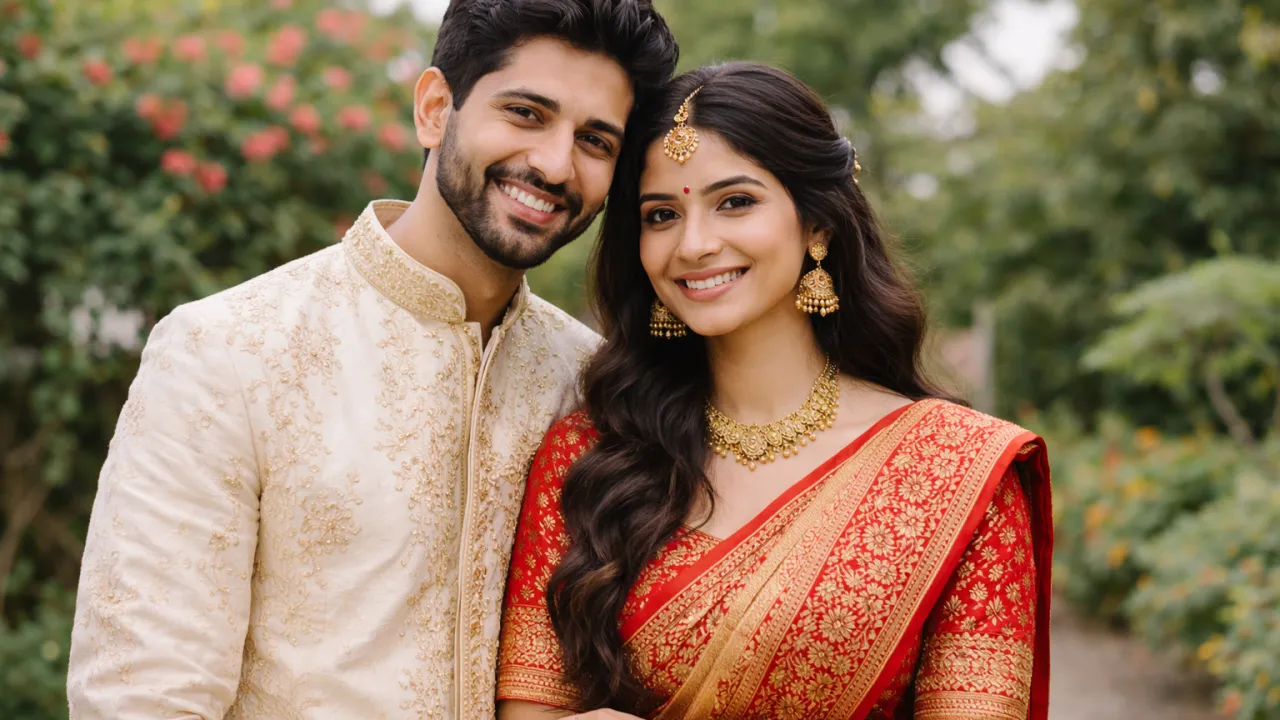
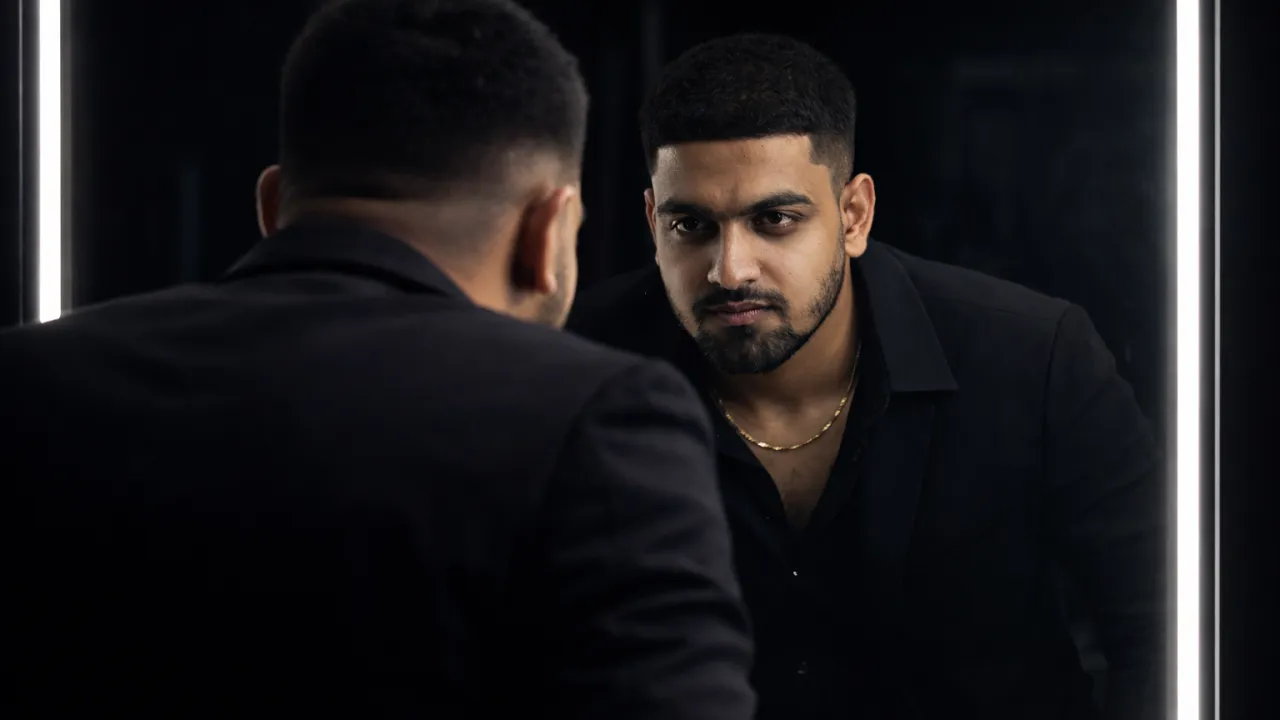
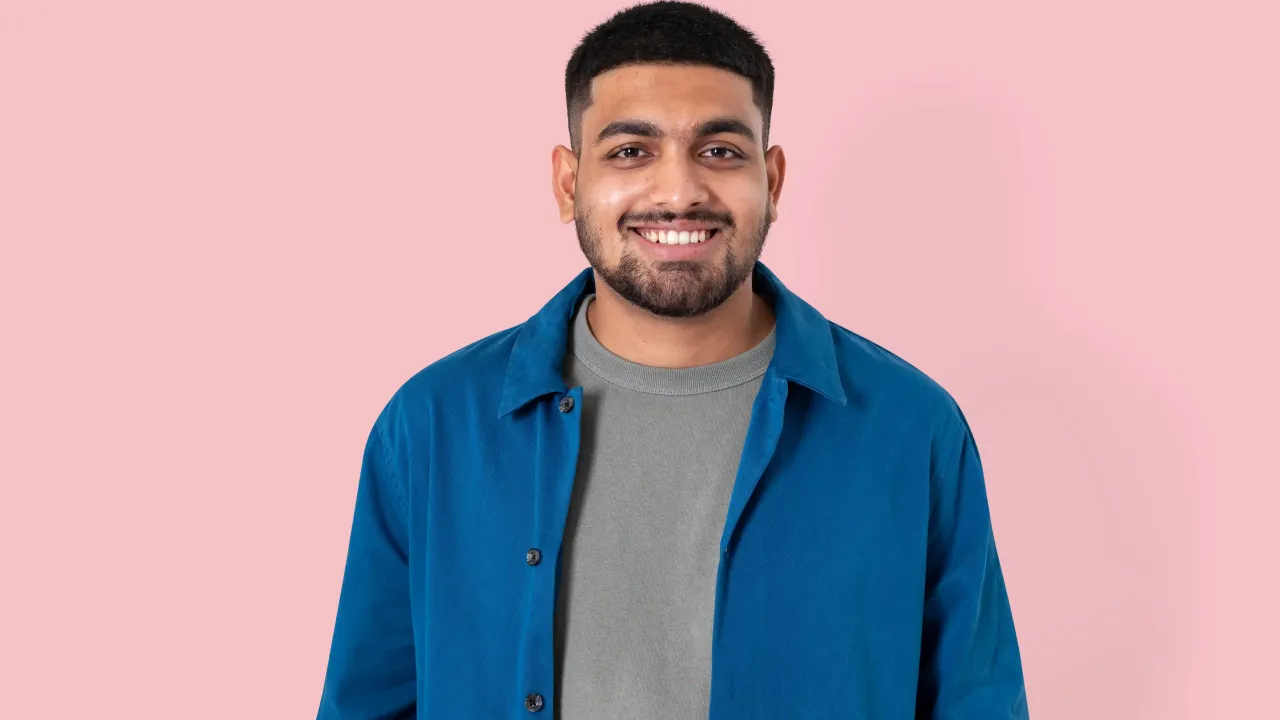
 BeforeAfter
The Prompt
Ultra-realistic aesthetic portrait photo, soft natural daylight lighting, evenly diffused light with no harsh shadows, smooth yet realistic skin texture with visible natural details, pastel and muted color tones, clean and minimal background, calm and relaxed facial expression, balanced composition, professional portrait photography style, high dynamic range, sharp focus, natural color grading, realistic proportions, high resolution, DSLR camera look, 85mm lens, shallow depth of field, premium editorial quality, clean and elegant atmosphere, natural and lifelike appearance.

In recent years, AI image generation has transformed the way creators, photographers, designers, and digital artists produce portrait photography. With the right prompt, it is now possible to generate images that are almost indistinguishable from real DSLR photographs. One such powerful prompt is the Ultra-Realistic Aesthetic Portrait Prompt, which focuses on natural lighting, realistic skin texture, calm expressions, and a premium editorial look.
This article is a deep, step-by-step exploration of the following prompt:
Ultra-realistic aesthetic portrait photo, soft natural daylight lighting, evenly diffused light with no harsh shadows, smooth yet realistic skin texture with visible natural details, pastel and muted color tones, clean and minimal background, calm and relaxed facial expression, balanced composition, professional portrait photography style, high dynamic range, sharp focus, natural color grading, realistic proportions, high resolution, DSLR camera look, 85mm lens, shallow depth of field, premium editorial quality, clean and elegant atmosphere, natural and lifelike appearance.
By the end of this guide, you will understand why this prompt works, how each component contributes to realism, how to optimize it for SEO and AI tools, and how to adapt it for different creative goals.
1. Understanding Ultra-Realistic Aesthetic Portrait Photography
Ultra-realistic aesthetic portrait photography aims to replicate the visual qualities of professional studio or natural light photography. The goal is not exaggerated beauty or artificial perfection, but a balanced, lifelike appearance that feels authentic, calm, and emotionally engaging.
AI image generation models respond best when prompts clearly describe lighting, camera characteristics, texture realism, and emotional tone. This is why the prompt emphasizes natural daylight, realistic skin, pastel tones, and DSLR camera aesthetics.
Unlike stylized or fantasy prompts, an ultra-realistic aesthetic portrait focuses on subtle details: soft shadows, natural facial expressions, gentle color grading, and professional photographic composition.
Why Realism Matters in AI Portraits
Realistic AI portraits are increasingly used for:
- Website hero images
- Personal branding and profile photos
- Editorial and magazine visuals
- Marketing creatives
- AI prompt libraries and inspiration galleries
Search engines and users both prefer visuals that feel natural and human. Over-processed, cartoonish images reduce trust and engagement. This is why realism has become a top priority in modern AI image generation.
2. Soft Natural Daylight Lighting: The Foundation of Realism
Lighting is the single most important element of portrait photography. In this prompt, the phrase soft natural daylight lighting sets the entire mood of the image.
Natural daylight is flattering, evenly balanced, and familiar to the human eye. AI models trained on real photography datasets respond extremely well to daylight references, especially when combined with terms like “diffused” and “no harsh shadows.”
Evenly Diffused Light Explained
Diffused lighting reduces contrast and eliminates harsh lines on the face. This creates:
- Smoother transitions between highlights and shadows
- More natural skin tones
- Less artificial sharpness
- A calm and aesthetic mood
By explicitly stating “evenly diffused light with no harsh shadows,” the prompt instructs the AI to avoid dramatic lighting setups such as strong side lighting, spotlight effects, or high-contrast cinematic shadows.
3. Realistic Skin Texture: Avoiding the Plastic Look
One of the most common problems in AI-generated portraits is overly smooth or plastic-looking skin. This prompt solves that issue by carefully balancing smoothness with realism.
The phrase smooth yet realistic skin texture with visible natural details is critical. It allows the AI to:
- Maintain natural pores and fine details
- Avoid excessive skin blur
- Preserve human imperfections
- Enhance believability
Why Natural Details Matter
Human faces are not perfectly smooth. Slight texture variations, subtle blemishes, and natural highlights are what make a portrait feel authentic. When AI removes these details, the image immediately looks artificial.
Including “visible natural details” tells the AI model that realism is more important than artificial beauty.
4. Pastel and Muted Color Tones for Aesthetic Appeal
Color grading plays a major role in defining the emotional tone of an image. This prompt uses pastel and muted color tones to create a soft, elegant, and premium look.
Pastel tones reduce visual noise and make portraits feel calm and timeless. Muted colors prevent oversaturation, which is a common issue in AI-generated images.
Benefits of Pastel Color Grading
- Creates a soothing visual experience
- Enhances skin tone accuracy
- Improves editorial quality
- Aligns with modern aesthetic trends
Search engines and social platforms favor images that are easy on the eyes, making pastel-toned portraits more engaging and shareable.
5. Clean and Minimal Background: Keeping Focus on the Subject
A clean and minimal background ensures that the viewer’s attention remains on the subject. In portrait photography, backgrounds should support the subject, not compete with it.
This prompt avoids clutter by explicitly stating “clean and minimal background.” This reduces:
- Visual distractions
- Unnecessary objects
- Busy textures
- Background noise
Minimal backgrounds are especially effective for professional portraits, website images, and branding visuals.
6. Calm and Relaxed Facial Expression
Emotion is a subtle but powerful component of portrait photography. A calm and relaxed facial expression communicates confidence, approachability, and authenticity.
AI models often exaggerate expressions if not guided properly. This prompt prevents unnatural smiles or dramatic emotions by specifying a relaxed mood.
Why Calm Expressions Perform Better
- More suitable for professional use
- Feels genuine and relatable
- Works across cultures and platforms
- Enhances long-term visual appeal
7. Balanced Composition and Professional Photography Style
Balanced composition ensures that the subject is framed correctly, with proper spacing and visual harmony. Professional portrait photography follows well-established composition rules such as:
- Rule of thirds
- Centered or slightly offset framing
- Natural headroom
- Symmetrical balance
By mentioning “professional portrait photography style,” the prompt tells the AI to follow these photographic conventions instead of experimental or abstract layouts.
8. High Dynamic Range and Sharp Focus
High dynamic range (HDR) ensures that both highlights and shadows retain detail. In realistic portraits, HDR should be subtle, not overdone.
Sharp focus, especially on the eyes, is another key element. This prompt combines HDR with sharp focus to create images that are crisp, detailed, and lifelike.
9. DSLR Camera Look and 85mm Lens Simulation
The phrase DSLR camera look, 85mm lens is one of the most powerful parts of the prompt.
An 85mm lens is widely considered the gold standard for portrait photography. It offers:
- Natural facial proportions
- Beautiful background blur
- Minimal distortion
- Professional depth separation
AI models trained on photography datasets recognize lens terminology and replicate these visual characteristics effectively.
10. Shallow Depth of Field for Subject Isolation
Shallow depth of field creates a soft background blur (bokeh) that separates the subject from the background. This adds depth, realism, and elegance to portraits.
By including this term, the prompt ensures that the subject remains the visual focus while the background stays subtle and unobtrusive.
11. Premium Editorial Quality and Elegant Atmosphere
Editorial-quality portraits are polished, refined, and timeless. They are commonly seen in magazines, fashion editorials, and high-end branding.
This prompt’s emphasis on “premium editorial quality” and a “clean and elegant atmosphere” elevates the image beyond casual photography.
12. Natural and Lifelike Appearance: The Ultimate Goal
Every element of this prompt ultimately serves one purpose: achieving a natural and lifelike appearance.
When combined correctly, lighting, texture, color grading, composition, and camera simulation create portraits that feel human, authentic, and emotionally resonant.
13. SEO Benefits of Using High-Quality AI Portrait Prompts
From an SEO perspective, high-quality AI-generated images can:
- Increase time on page
- Improve visual engagement
- Enhance content credibility
- Boost social sharing
When paired with descriptive alt text and optimized filenames, these images can also rank in image search results.
14. How to Customize This Prompt for Different Use Cases
This ultra-realistic aesthetic portrait prompt can be easily adapted for:
- Male or female portraits
- Indian, Asian, or Western facial features
- Studio or outdoor environments
- Personal branding photos
- Corporate headshots
Small additions such as age, gender, clothing style, or background context can further refine the output.
15. Final Thoughts
The ultra-realistic aesthetic portrait prompt is a masterclass in balanced AI image generation. It avoids extremes, focuses on natural beauty, and mirrors real professional photography techniques.
Whether you are building an AI prompt library, running an image generation website, or creating professional visuals, this prompt provides a reliable foundation for stunning, lifelike portraits.
By understanding each component and its purpose, you gain full control over your AI-generated results and unlock the true potential of modern image generation tools.
Frequently Asked Questions (FAQs) about Ultra-Realistic Aesthetic Portrait Prompt | Natural AI Photography Guide
Did you find this helpful?
Show your support! Your feedback helps us create more amazing content.