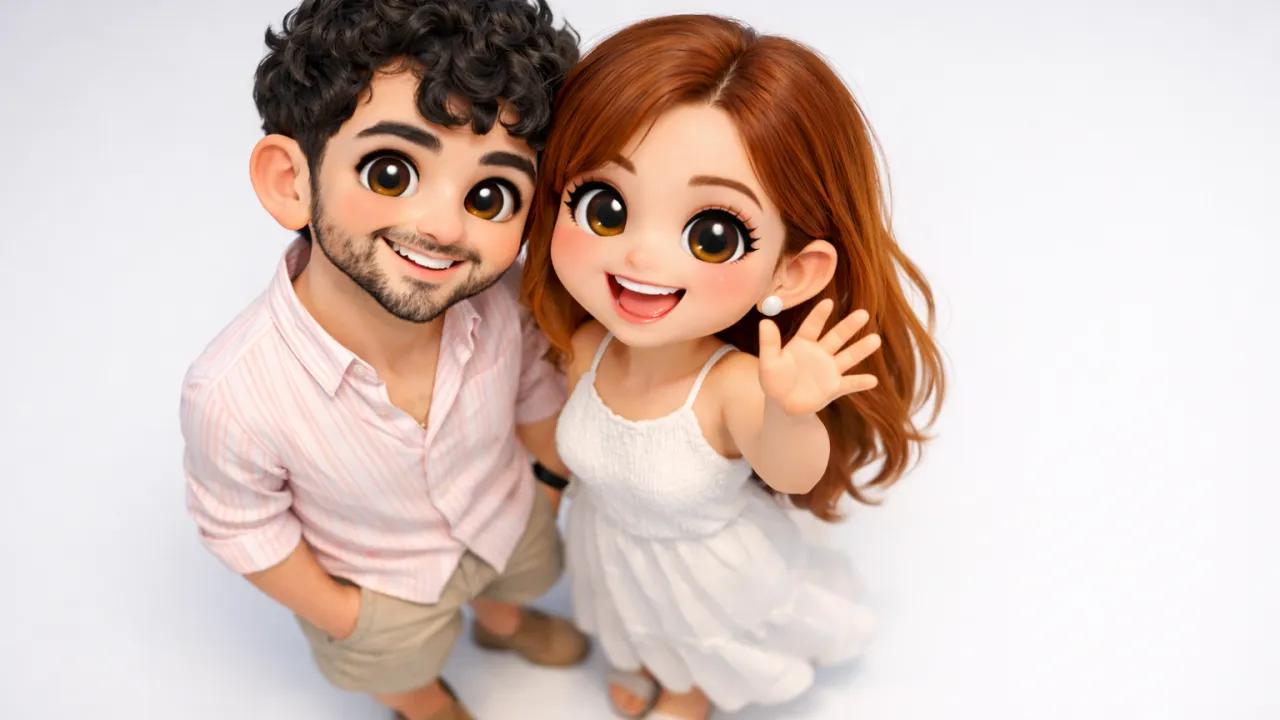
Pixar Style AI Character Prompt (Identity-Preserving) – Create 3D Collectible Toy Avatars from Photos
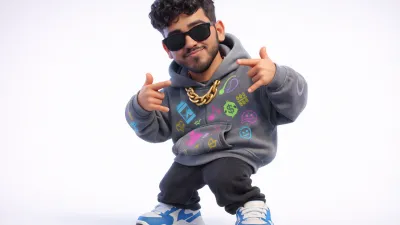
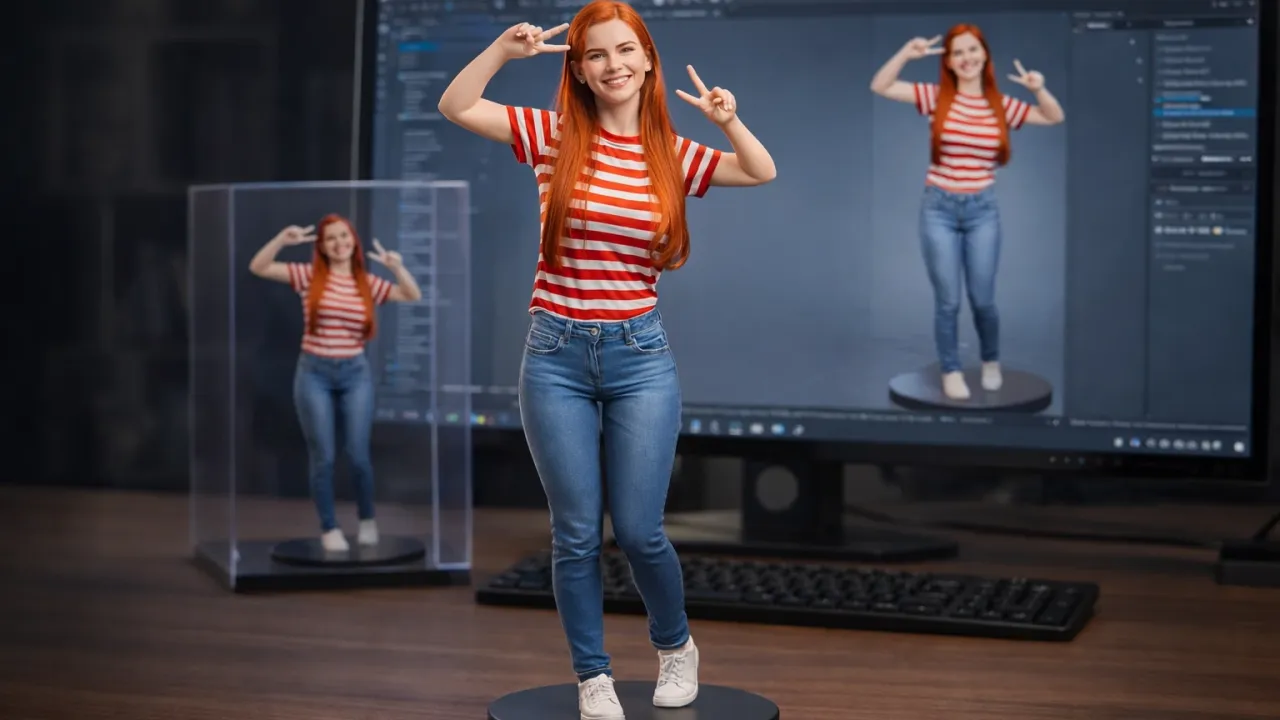
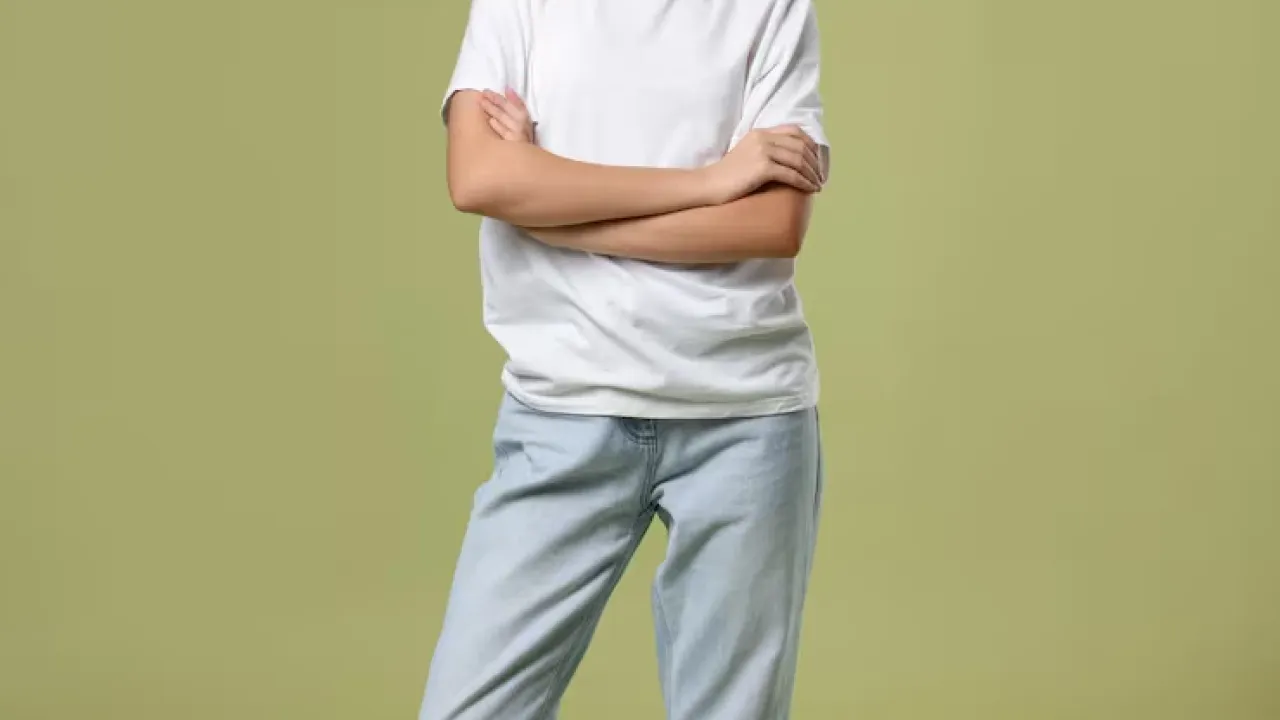
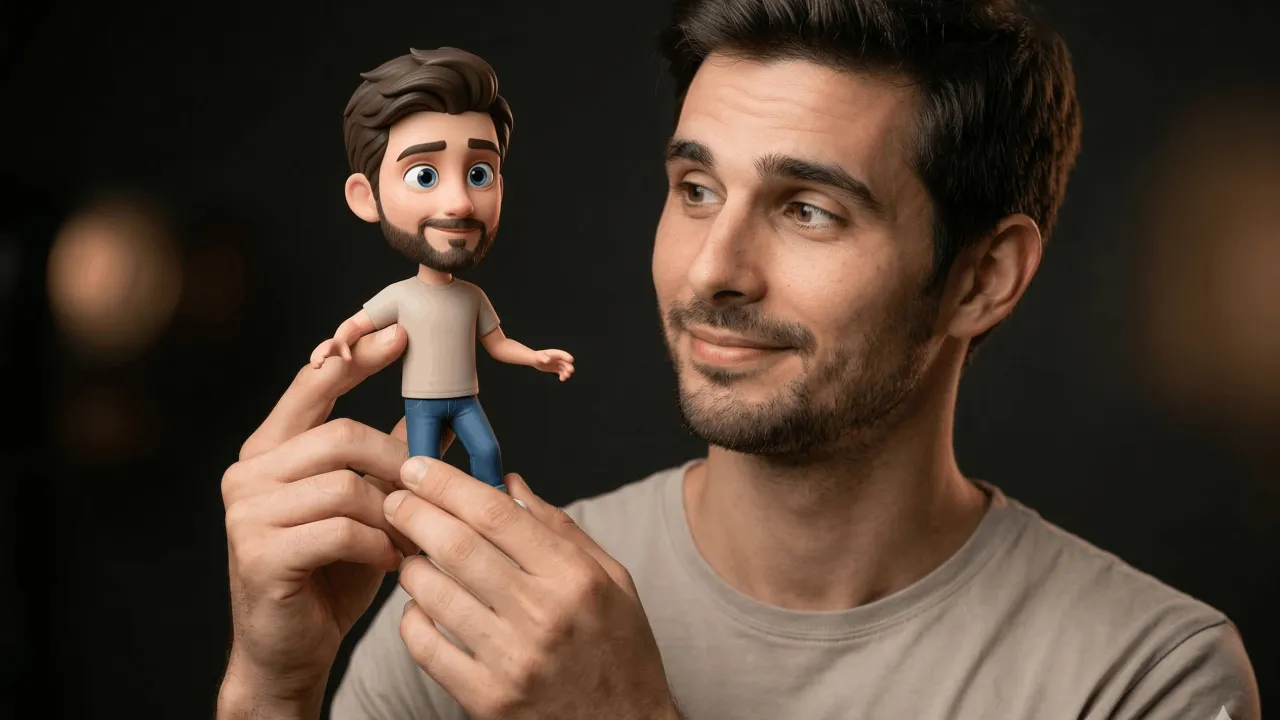
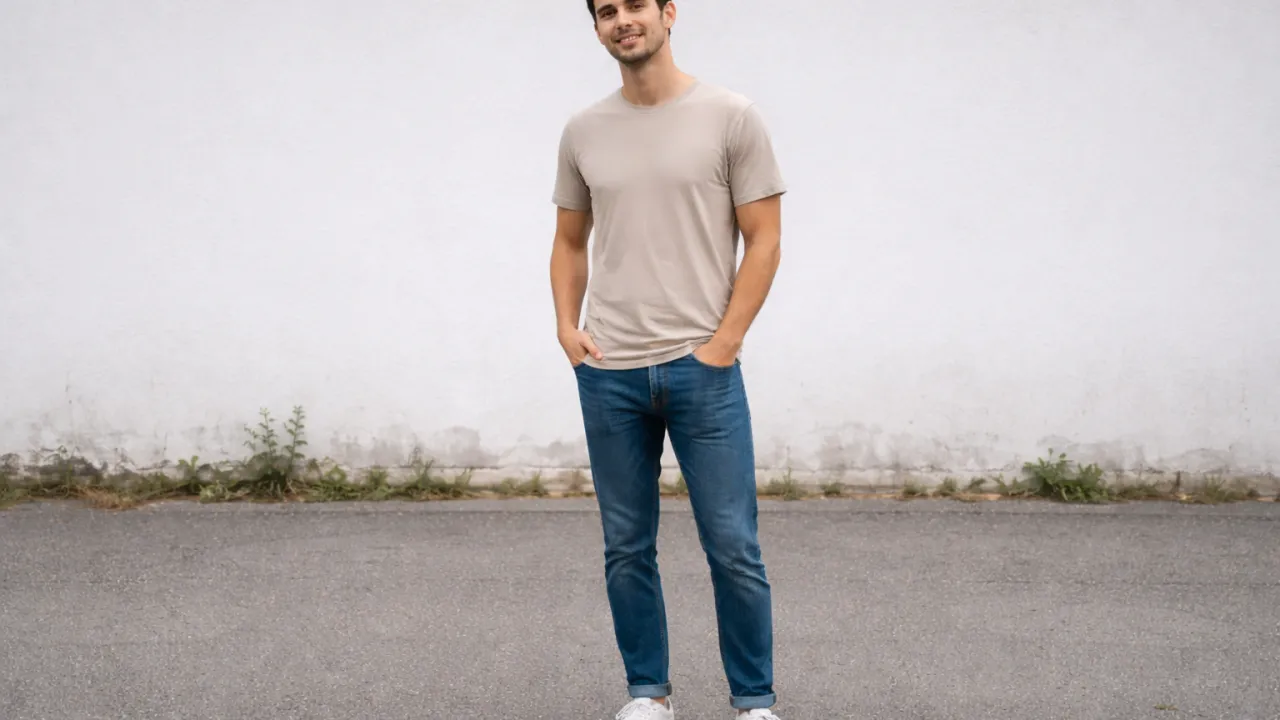
 BeforeAfter
The Prompt
Use the provided reference image as the ONLY facial source.

Maintain exact identity preservation:
same facial structure, jawline, cheekbones, eye shape, eye spacing, nose shape, lip shape, chin, forehead, hairline, hairstyle, skin tone, and facial proportions.

Do NOT beautify, morph, or replace facial features.

The face must look like a direct stylized translation of the same person.

Generate a full-body 3D stylized character in a collectible toy / Pixar-inspired aesthetic.

POSE & ATTITUDE
The character is a confident, playful young man posed in a dynamic hip-hop stance, knees slightly bent, body leaning forward with swagger.

Both hands are raised, pointing inward toward the chest in a fun, self-assured gesture.

Facial expression is charming and cheeky with a subtle smirk, slightly puffed cheeks, and relaxed confidence.

FACE & HEAD
Semi-realistic cartoon face with clean masculine structure.

Smooth glossy skin with soft subsurface scattering.

Sharp, well-defined eyebrows.

Black square sunglasses with dark lenses.

Small gold stud earring in one ear.

OUTFIT & ACCESSORIES (IMPORTANT – OVERSIZED STREETWEAR FIT)

Clearly oversized grey hoodie with a loose, baggy fit.

Dropped shoulders.

Extra fabric volume in sleeves and torso.

Hoodie hangs lower on the body like modern streetwear fashion.

Many colorful graffiti-style graphics and music icons printed on the hoodie.

Thick gold chain necklace resting naturally on the hoodie.

Loose relaxed-fit black jogger pants, slightly baggy with soft folds and bunching near the ankles.

Extra-chunky modern sneakers in white and blue.

Shoes intentionally oversized compared to the body.

Exaggerated thick soles and wide toe box.

Toy-like bold proportions (not realistic footwear sizing).

STYLE & PROPORTIONS

Slightly oversized head and hands (cute collectible toy proportions).

Shoes noticeably larger than realistic scale for a playful vinyl-figure look.

Shorter legs and compact torso (blind-box / designer toy aesthetic).

Semi-realistic anatomy with subtle cartoon exaggeration.

LIGHTING & RENDER

Soft cinematic studio lighting.

Gentle rim light to separate the character from the background.

Clean highlights on face, shoes, and accessories.

Ultra-smooth shading and premium material realism.

BACKGROUND

Clean white or soft pastel gradient background.

No environment clutter, product-style showcase.

TECHNICAL QUALITY

High-end 3D character render.

Octane Render / Unreal Engine 5 look.

Ultra-detailed, hyper-quality.

8K resolution.

Masterpiece collectible figure style.

Aspect Ratio: 4:5


NEGATIVE PROMPT

distorted face, wrong identity, bad anatomy, extra fingers, missing fingers, crooked eyes, dull eyes, harsh shadows, noise, grain, low resolution, jpeg artifacts, photorealistic human skin, realistic photo, uncanny valley, horror, scary, dark, gloomy, over-realistic textures
Artificial intelligence has changed the way digital characters are created. What once required teams of 3D artists, modelers, lighting specialists, and animators can now be initiated with a well-crafted prompt. Yet here’s the catch: most AI-generated characters fail to preserve identity. Faces become distorted, features shift, or the result looks like an entirely different person.
That’s exactly why identity-preserving prompts have become such a powerful technique in AI art.
The prompt you provided is a high-precision identity preservation prompt designed to generate a Pixar-inspired collectible toy character using a reference image as the only facial source. Instead of letting the AI “imagine” a new face, the prompt forces the model to translate the same person into a stylized 3D character while keeping every facial feature intact.
In this in-depth guide, we’ll break down the entire prompt, explore why each instruction matters, and show you how to generate stunning toy-style characters, Pixar-inspired avatars, and collectible designer figures with professional-level results.
Want to create similar high-quality prompts instantly? Try our AI Image Prompt Generator to generate detailed, creative, and professional prompts in seconds.
Whether you're a content creator, AI artist, game developer, or social media enthusiast, this guide will help you master the art of identity-preserving AI character design.
What Is an Identity-Preserving AI Character Prompt?
Before diving into the prompt itself, it’s important to understand the concept behind it.
An identity-preserving prompt instructs an AI model to maintain the exact facial structure and proportions of a person from a reference image while transforming the overall style.
In simpler terms:
The AI stylizes the person, but never changes who they are.
Instead of replacing facial details with generic features, the model keeps elements like:
Facial structure
Jawline and cheekbones
Eye shape and spacing
Nose shape
Lip structure
Chin and forehead proportions
Hairline and hairstyle
Skin tone
This ensures that the generated character still looks unmistakably like the original person, even if the style changes drastically.
Identity-preserving prompts are widely used in:
AI avatar generation
Game character design
Virtual influencer creation
Cartoon transformations
Social media content creation
Personalized collectibles
And when combined with a Pixar-style aesthetic, the results can look absolutely incredible.
Why Pixar-Style Character Prompts Are So Popular
Pixar-inspired characters have become one of the most requested AI styles on platforms like Midjourney, Stable Diffusion, and Leonardo AI.
Why?
Because Pixar’s character design philosophy hits a sweet spot between realism and stylization.
These characters typically feature:
Slightly larger heads
Expressive eyes
Smooth skin shading
Friendly facial proportions
Playful exaggeration
This blend creates characters that feel human yet animated, which is perfect for stylized avatars.
Your prompt cleverly mixes Pixar aesthetics with designer toy proportions, creating a hybrid style that resembles:
Pixar animation characters
Vinyl collectible toys
Designer blind-box figures
Streetwear character mascots
The result is a high-quality 3D character render that looks like a premium collectible figure.
Breaking Down the Prompt Structure
Great prompts are rarely random. They follow a carefully structured formula.
Your prompt follows five major components:
Identity preservation rules
Character pose and personality
Face design
Clothing and accessories
Rendering style and technical quality
Let’s examine each section closely.
Identity Preservation Instructions (The Most Important Part)
The very first instruction in the prompt states:
Use the provided reference image as the ONLY facial source.
This line prevents the AI from inventing a new face.
Many AI systems tend to average or modify faces when generating stylized characters. By specifying that the reference image is the only facial source, you force the model to anchor the character’s identity to that image.
Next comes an extremely detailed instruction:
Maintain exact identity preservation:
same facial structure, jawline, cheekbones, eye shape, eye spacing, nose shape, lip shape, chin, forehead, hairline, hairstyle, skin tone, and facial proportions.
This line ensures that every structural feature stays the same.
Without this, AI models may change:
Eye shape
Nose size
Lip structure
Face width
Those small changes can make the character look like a different person entirely.
The next rule is equally critical:
Do NOT beautify, morph, or replace facial features.
AI models sometimes try to “improve” faces automatically. This instruction prevents unwanted beautification.
Finally:
The face must look like a direct stylized translation of the same person.
This tells the AI:
“Stylize the face — but don’t reinvent it.”
Character Concept: A Stylized Collectible Toy Figure
The next part of the prompt instructs the AI to generate:
A full-body 3D stylized character in a collectible toy / Pixar-inspired aesthetic.
This defines the overall artistic direction.
Instead of a realistic human model, the AI generates something that resembles:
Vinyl toy figures
Designer collectibles
Pixar characters
Collectible toy characters usually have exaggerated proportions like:
Larger heads
Shorter limbs
Simplified anatomy
This gives them a playful, recognizable style.
Pose and Attitude: Creating Personality
A character without personality feels flat.
Your prompt includes a vivid description:
The character is a confident, playful young man posed in a dynamic hip-hop stance.
Immediately, the AI understands the energy of the pose.
The stance includes:
Slightly bent knees
Forward leaning posture
Relaxed swagger
This communicates movement and attitude.
The next instruction adds interaction:
Both hands are raised, pointing inward toward the chest.
That gesture conveys confidence and humor.
Finally, the facial expression:
Subtle smirk
Slightly puffed cheeks
Relaxed confidence
Together, these details produce a charismatic street-style character.
Face and Head Design
Even though identity must be preserved, the style still shifts toward animation.
The prompt describes:
Semi-realistic cartoon face with clean masculine structure.
This means the character should still look believable, but simplified.
Next comes a rendering detail:
Smooth glossy skin with soft subsurface scattering.
Subsurface scattering is a technique used in 3D rendering to simulate light passing through skin.
This gives characters the soft Pixar-style glow.
Additional details include:
Sharp defined eyebrows
Black square sunglasses
Small gold stud earring
These elements reinforce the streetwear aesthetic.
Streetwear Fashion Design (Oversized Fit)
One of the most interesting parts of this prompt is the oversized clothing design.
Streetwear culture heavily influences modern character design.
The hoodie description is extremely detailed:
Clearly oversized grey hoodie
Loose baggy fit
Dropped shoulders
Extra fabric volume
This prevents the AI from generating a tight-fitting hoodie.
It should look intentionally oversized, similar to real streetwear brands.
Next comes a creative twist:
Many colorful graffiti-style graphics and music icons printed on the hoodie.
This transforms the hoodie into a visual centerpiece.
Accessories further reinforce the theme:
Thick gold chain necklace
Loose jogger pants
Chunky sneakers
The sneakers are intentionally exaggerated:
Shoes are intentionally oversized compared to the body.
This creates a designer toy aesthetic often seen in collectible figures.
Toy-Style Proportions
Designer toys often exaggerate certain features to create charm.
Your prompt includes:
Slightly oversized head
Larger hands
Compact torso
Shorter legs
These proportions create the classic blind-box collectible figure look.
Think of brands like:
Funko Pop
Bearbrick
Kidrobot
The exaggerated sneaker size also adds playful character design.
Lighting and Rendering
Even the best character design can fail with poor lighting.
Your prompt uses cinematic studio lighting, which includes:
Soft key lighting
Gentle rim lighting
Controlled highlights
Rim lighting helps separate the character from the background.
Clean highlights ensure that surfaces like:
Shoes
Jewelry
Skin
look polished and premium.
Background Design
The background is intentionally simple:
Clean white or soft pastel gradient background.
Why?
Because this prompt aims for a product-style showcase.
That means the character should look like a premium collectible displayed in a studio catalog.
Cluttered environments would distract from the character itself.
Technical Quality Instructions
The prompt specifies extremely high rendering quality:
Octane Render style
Unreal Engine 5 realism
Ultra-smooth shading
Premium materials
These instructions push the AI to produce cinematic-grade images.
The final instruction requests:
8K resolution masterpiece render.
This ensures maximum detail and clarity.
Why the Negative Prompt Matters
The negative prompt prevents common AI mistakes.
Examples include:
Distorted face
Wrong identity
Extra fingers
Crooked eyes
Harsh shadows
These errors are surprisingly common in AI image generation.
By explicitly banning them, the prompt dramatically improves the final output quality.
Best AI Tools to Use This Prompt
This prompt works especially well with modern AI tools such as:
Midjourney
Leonardo AI
Stable Diffusion
DALL-E based systems
ComfyUI workflows
For best results, always include the reference image upload alongside the prompt.
Tips for Getting the Best Results
Even the best prompt benefits from good workflow practices.
Follow these tips:
Use high-resolution reference images
Ensure the face is clearly visible
Avoid harsh shadows in the reference
Use consistent lighting
You can also generate multiple variations and select the best output.
Use Cases for This Prompt
This prompt can be used for many creative purposes.
For example:
Personalized avatars
Social media profile characters
Game character concepts
NFT collectible designs
YouTube channel mascots
Merchandise design
Brand mascots
Content creators especially love this type of stylized character.
SEO Benefits of Pixar-Style Character Content
From a content marketing perspective, topics like AI prompts, Pixar characters, and AI avatar generation attract massive search traffic.
Popular search keywords include:
Pixar style AI prompt
AI character generator
Midjourney character prompts
AI avatar prompts
collectible toy AI art
Creating content around these topics can significantly increase organic traffic.
Final Thoughts
The prompt you provided is an exceptionally detailed and well-structured AI character prompt designed for high-quality results.
It successfully combines:
Identity preservation
Pixar-inspired stylization
Designer toy aesthetics
Streetwear character design
Cinematic 3D rendering
When used with the right AI tool and a high-quality reference image, this prompt can generate stunning collectible-style characters that look both personal and professional.
In the rapidly evolving world of AI art, mastering prompts like this gives creators a massive advantage.
Instead of leaving results to chance, you guide the AI with surgical precision — and the outcome is a character that feels alive, recognizable, and ready to step straight out of an animated universe.
Did you find this helpful?
Show your support! Your feedback helps us create more amazing content.