Cinematic Black and White Portrait | Film Noir Style Photography 8K Ultra Realistic
 BeforeAfter
The Prompt
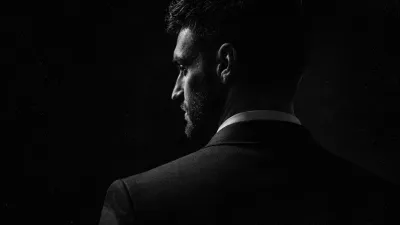
IMPORTANT: Generate only the final image. Do not return the prompt, explanation, or any text output. Create a sharply focused black-and-white cinematic portrait using the face and identity strictly from the uploaded reference image. The subject is dressed in an impeccable tailored suit and captured in profile from behind, with only half of the face barely visible. Use dramatic chiaroscuro lighting to sculpt the contours of the face, creating deep, expressive shadows that convey tension, mystery, and restrained power. The lighting should emphasize strong contrast between light and shadow, highlighting facial structure and mood. The background smoothly fades into a deep, velvety black, isolating the silhouette and evoking the atmosphere of a 1950s detective film noir. Add subtle film grain and vintage texture for an authentic cinematic feel. Ensure the composition emphasizes the interplay of light and shadow, with somber tones, classic noir aesthetics, and cinematic depth. Maintain strict identity preservation—do not alter facial structure or features from the reference image. Hair should be black, wet, curly. Focus on ultra-detailed facial textures, realistic skin detail, and the refined textures of the suit fabric. 8K ultra-detailed cinematic rendering, high contrast, film grain, moody lighting, shallow depth of field, professional studio quality.

Introduction to Cinematic Portrait Photography
Cinematic portrait photography is a powerful visual art form that transforms a simple subject into a dramatic and emotionally engaging composition. By combining professional lighting techniques with carefully crafted composition, this style creates an image that feels like a scene from a film rather than a traditional photograph. The black and white approach enhances this effect by stripping away color distractions and emphasizing structure, mood, and storytelling.
In this film noir-inspired portrait, the subject is captured with a refined and controlled aesthetic. The use of shadows, contrast, and directional lighting creates a strong visual narrative, allowing viewers to feel the depth and intensity of the moment. This timeless style continues to influence modern photography, digital art, and cinematic visuals across platforms.
The Power of Black and White Imagery
Black and white photography has long been associated with sophistication, emotion, and artistic depth. Without color, the viewer’s attention naturally shifts to the details that matter most—facial expressions, textures, and lighting dynamics. This approach allows for a more focused and immersive visual experience.
- Enhances emotional depth and storytelling
- Highlights texture and fine details
- Creates a timeless and classic aesthetic
- Eliminates distractions for stronger composition
The monochrome palette adds a sense of elegance and seriousness, making it ideal for cinematic portraits that aim to convey mystery, tension, or quiet confidence.
Film Noir Influence and Visual Storytelling
Film noir is a classic cinematic style known for its dark themes, dramatic lighting, and strong contrasts. Originating in mid-20th century cinema, it continues to inspire modern visual design and photography. This portrait captures that essence by using shadow-heavy compositions and minimal lighting to create a sense of intrigue.
The subject is positioned in a subtle profile from behind, with only part of the face illuminated. This technique creates an element of mystery while still preserving identity and realism. It allows the viewer to engage with the image on a deeper level, interpreting emotion and story through visual cues rather than explicit details.
True cinematic photography does not just show a subject—it tells a story through light, shadow, and composition.
Dramatic Chiaroscuro Lighting Technique
One of the defining features of this portrait is the use of chiaroscuro lighting. This technique involves strong contrasts between light and dark to sculpt the subject’s features and create a three-dimensional effect. Light is used selectively to highlight specific areas while allowing the rest of the image to fall into shadow.
Key Lighting Characteristics
- Directional light creating strong facial highlights
- Deep shadows enhancing structure and depth
- High contrast for dramatic visual impact
- Controlled lighting to guide viewer attention
This lighting approach not only enhances the subject’s physical features but also adds emotional weight to the image, making it more engaging and visually compelling.
Ultra-Realistic Detail and Texture
The portrait focuses heavily on realism, ensuring that every detail is captured with precision. Skin texture, facial contours, and subtle imperfections are preserved to maintain authenticity. The tailored suit adds an element of sophistication, with fabric textures rendered in high detail to complement the overall composition.
The addition of subtle film grain and vintage texture enhances the cinematic feel, bridging the gap between modern digital clarity and classic analog aesthetics. This combination results in an image that feels both contemporary and timeless.
Visual Detail Highlights
- Sharp focus on facial features
- Natural skin texture and realistic tones
- Detailed fabric rendering in clothing
- Subtle grain for vintage cinematic effect
Composition and Perspective
The composition plays a critical role in defining the overall impact of the portrait. By capturing the subject from behind in a profile orientation, the image introduces a sense of movement and narrative. The viewer is drawn into the frame, encouraged to explore the balance between light and shadow.
The deep black background isolates the subject, removing any distractions and enhancing the silhouette. This minimalistic approach ensures that the focus remains entirely on the subject and the interplay of light across their features.
Modern Applications and Creative Use
Cinematic black and white portraits are widely used across various creative industries. Their bold and timeless aesthetic makes them suitable for a range of applications, from professional branding to digital content creation.
- Creative portfolios and photography showcases
- Social media content and visual storytelling
- Poster design and promotional artwork
- Personal branding and profile imagery
The versatility of this style allows it to adapt to different creative needs while maintaining its strong visual identity and emotional depth.
Timeless Appeal of Noir Portraits
Despite evolving trends in photography and digital media, the film noir style continues to remain relevant. Its emphasis on mood, contrast, and storytelling resonates with audiences seeking depth and authenticity in visual content. The combination of classic techniques with modern technology ensures that this style remains a powerful tool for artistic expression.
The use of high-resolution rendering, such as 8K detail, further enhances the viewing experience, allowing for crisp and immersive visuals. This makes cinematic portraits not only visually appealing but also technically impressive.
Conclusion
Cinematic black and white portrait photography represents the perfect blend of art and technique. Through the use of film noir inspiration, chiaroscuro lighting, and ultra-realistic detail, it creates images that are both visually striking and emotionally engaging.
This style goes beyond traditional portraiture by introducing narrative depth and cinematic quality. Whether used for creative projects, professional branding, or artistic exploration, it remains one of the most impactful and timeless forms of visual storytelling in modern photography.
Did you find this helpful?
Show your support! Your feedback helps us create more amazing content.