Ultra Realistic AI Photo Prompt Guide (Cinematic Water Park Couple Scene)
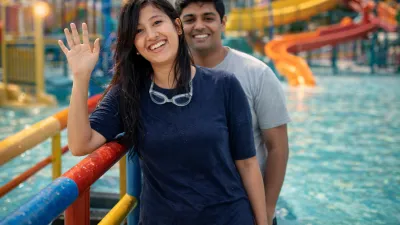
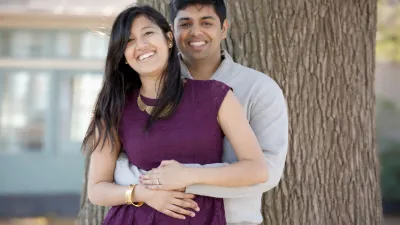 BeforeAfter
The Prompt
An ultra-realistic cinematic photograph of a young couple, strictly maintaining 100% exact facial features and identity from the reference image. The woman is the main focus, smiling brightly with a joyful expression and waving naturally with one hand. She is leaning casually against a colorful railing of a vibrant water park structure.

Her long dark hair is wet, slightly messy, and naturally flowing with visible water droplets. She is wearing a soaked light pink t-shirt that subtly clings to her body, along with swimming goggles resting around her neck. Her skin appears naturally wet with realistic highlights and reflections.

She stands barefoot on black metal steps partially submerged in shallow, clear turquoise water, with gentle ripples and reflections forming around her feet. The environment is lively and colorful, with blurred water slides and structures in the background.

Golden hour sunlight illuminates the scene, creating soft highlights, realistic shadows, and cinematic depth. Subtle lens flare, bokeh background, and depth of field enhance the composition.

Shot on a professional DSLR camera, 50mm lens, f/1.8 aperture, HDR, ultra-high resolution, photorealistic textures, natural skin tones, sharp focus on subject, background slightly blurred, highly detailed, 8K quality.
Let’s be honest—creating ultra-realistic AI-generated images that look like they were snapped straight out of a high-end cinematic shoot isn’t just about typing a few words and hoping for the best. Nope, it’s a craft. A blend of art, psychology, storytelling, and technical precision. And when you’re working with a detailed prompt like the one you’ve shared—featuring a joyful couple at a vibrant water park—you’re stepping into the realm of professional-grade prompt engineering.
This guide is your all-in-one, deeply detailed, SEO-optimized resource to master such prompts. Whether you're building content for blogs, thumbnails, social media, or even commercial projects, we’re going to break it all down—layer by layer—so you can consistently generate stunning, hyper-realistic results.
For fantasy or animated storytelling, check out this Pixar-style AI character prompt to create vivid and emotionally engaging characters for your story.
Understanding the Power of Ultra-Realistic AI Prompts
Before diving into the actual prompt, let’s take a step back. Why do ultra-realistic prompts matter so much?
Well, in today’s digital landscape, attention is everything. You’ve got seconds—literally seconds—to grab someone’s interest. A hyper-realistic, cinematic image can stop the scroll instantly. It tells a story. It creates emotion. It builds connection.
And here’s the kicker—AI can now replicate reality so closely that viewers often can’t tell the difference between a real photograph and a generated one. That’s the power you’re tapping into.
- Boosts engagement rates
- Enhances storytelling
- Improves SEO via visual content
- Increases click-through rates
- Builds brand authority
But only if the prompt is crafted correctly.
If you're writing romantic fiction, you might find inspiration from this romantic couple illustration prompt to enhance emotional depth in your scenes.
Breaking Down the Given Prompt
Let’s dissect your prompt piece by piece to understand why it works so well—and how you can improve or replicate it.
Prompt: An ultra-realistic, cinematic photo of the couple young man and woman from the reference image, maintaining 100% exact facial features and identity. She is smiling brightly and waving with one hand while leaning on a colorful railing of a vibrant water park structure. She has wet, long dark hair and is wearing a wet pink t-shirt with swimming goggles around her neck. She is barefoot on black metal steps, with shallow turquoise water around her feet.
1. Ultra-Realistic & Cinematic Keywords
These are your foundation words. Terms like ultra-realistic and cinematic signal the AI to prioritize realism, lighting, depth, and film-like aesthetics.
Without these, your output might look flat, cartoonish, or overly artificial.
To craft visually rich environments in your book, explore this Studio Ghibli style landscape prompt that can help you imagine dreamy and cinematic settings.
2. Identity Preservation
The phrase “maintaining 100% exact facial features and identity” is crucial. This ensures that the generated image remains consistent with the reference subject.
Especially useful when:
- Creating influencer-style content
- Maintaining brand faces
- Generating consistent characters
3. Emotional Expression
“Smiling brightly and waving”—this isn’t just description; it’s storytelling. It conveys joy, warmth, and approachability.
Emotion adds life. Always.
4. Environment & Setting
The water park setting introduces:
- Colorful background elements
- Dynamic lighting (reflections, water shine)
- A fun, energetic vibe
For futuristic or sci-fi storytelling, this cyberpunk neon cityscape prompt can spark ideas for high-tech worlds and dystopian narratives.
Specificity like “colorful railing” and “vibrant water park structure” enhances visual richness.
5. Physical Details
Details like:
- Wet long dark hair
- Wet pink t-shirt
- Swimming goggles
- Barefoot stance
These create realism. Tiny details = massive impact.
6. Lighting & Texture Elements
The mention of water and wet surfaces naturally introduces reflective lighting—something cinematic prompts thrive on.
How to Make This Prompt Even Better
Alright, here’s where things get interesting. Your prompt is already strong—but with a few enhancements, you can elevate it to elite level.
If your story involves intense emotional visuals, this cinematic portrait lighting prompt can inspire dramatic scenes and character moods.
Enhanced Version of the Prompt
Here’s a refined version you can use:
An ultra-realistic cinematic photo of a young couple maintaining 100% exact facial features and identity from the reference image. The woman is smiling brightly and waving with one hand, leaning casually on a colorful railing of a vibrant water park structure. Her long dark hair is wet and naturally flowing, with water droplets visible. She is wearing a soaked pink t-shirt clinging slightly to her form and swimming goggles resting around her neck. She stands barefoot on black metal steps partially submerged in shallow turquoise water, with natural reflections and ripples around her feet. Golden sunlight casts soft highlights and realistic shadows, creating depth, lens flare, and a cinematic atmosphere. Shot with a DSLR camera, 50mm lens, shallow depth of field, ultra-high resolution, HDR, photorealistic textures, natural skin tones.
Why This Works Better
- Adds camera details (DSLR, 50mm lens)
- Introduces lighting effects (golden sunlight, lens flare)
- Enhances realism (water droplets, reflections)
- Improves depth (shallow depth of field)
If you're experimenting with unique storytelling styles, this minimalist doodle prompt can inspire abstract narrative approaches.
Key Elements of a High-Performing AI Image Prompt
If you want consistent results, stick to this structure:
1. Subject Description
Who is in the image? Age, gender, appearance, identity.
2. Action or Pose
What are they doing? Standing, smiling, waving, etc.
3. Environment
Where are they? Water park, beach, city, home.
4. Clothing & Accessories
Outfit details matter more than you think.
5. Lighting
Golden hour? Studio lighting? Natural sunlight?
6. Camera Details
Lens type, focus, depth of field.
7. Realism Enhancers
Textures, reflections, shadows, skin tone accuracy.
If your story includes action or cinematic drama, this cinematic gangster poster prompt can inspire intense plotlines.
Common Mistakes to Avoid
Even experienced users mess this up sometimes. Watch out for these pitfalls:
- Too vague descriptions
- Overloading the prompt with conflicting details
- Ignoring lighting conditions
- Not specifying realism level
- Forgetting identity consistency
Trust me—clarity beats complexity every single time.
SEO Benefits of Using AI Image Prompts
You might be wondering—how does this help with SEO?
Well, here’s the deal:
- Custom visuals improve dwell time
- Better thumbnails increase CTR
- Unique images reduce bounce rate
- Optimized alt text boosts rankings
Pair your images with proper filenames and alt tags, and boom—you’ve got a serious SEO advantage.
For humorous or light-hearted storytelling, this funny caricature prompt can help you create entertaining characters.
Use Cases for This Prompt
This type of prompt isn’t just for fun—it has real-world applications:
- Blog thumbnails
- Social media posts
- YouTube thumbnails
- Advertising creatives
- Stock-style imagery
Pro Tips for Next-Level Results
Want to go pro? Here are some insider tips:
- Use consistent seed values for similar outputs
- Experiment with lighting variations
- Add motion elements (water splashes, wind)
- Test different camera angles
- Use negative prompts to remove unwanted artifacts
And hey—don’t be afraid to tweak and iterate. That’s where the magic happens.
Frequently Asked Questions (FAQs)
1. What makes a prompt ultra-realistic?
Detailed descriptions, lighting, textures, and camera settings all contribute to realism.
2. How important is lighting in AI prompts?
Extremely important—it defines mood, depth, and realism.
3. Can I reuse the same prompt?
Yes, but slight variations improve diversity in outputs.
4. What does cinematic mean in prompts?
It refers to film-like qualities such as depth, lighting, and composition.
5. Why include camera details?
They guide the AI in simulating real photography techniques.
6. How do I maintain identity in AI images?
Use clear instructions like “maintaining exact facial features.”
7. What are negative prompts?
They help remove unwanted elements like blur or distortion.
8. Can I use this for commercial projects?
Yes, depending on the AI platform’s licensing terms.
9. How long should a prompt be?
Detailed but not overly complex—balance is key.
10. Does prompt order matter?
Yes, structure helps AI interpret priorities correctly.
11. What’s the best way to improve results?
Test, refine, and experiment with variations consistently.
For storytelling that blends realism with creativity, this cinematic street portrait prompt can help you build grounded yet engaging scenes.
Conclusion
Creating ultra-realistic, cinematic AI images isn’t just about writing prompts—it’s about crafting experiences. Your water park couple scene is a perfect example of how detailed, thoughtful prompts can produce jaw-dropping visuals.
By understanding each element—subject, environment, lighting, emotion—you’re not just generating images… you’re telling stories.
So go ahead, experiment, refine, and push the limits. Because honestly? The better your prompt, the better your results. Simple as that.
Did you find this helpful?
Show your support! Your feedback helps us create more amazing content.