Viral Voxel AI Art: How to Create Handcrafted 3D Stop-Motion Caricatures in 2026
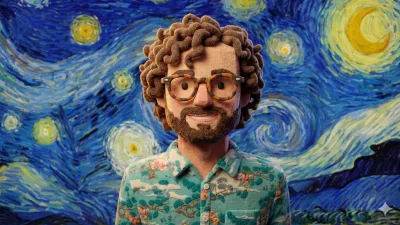
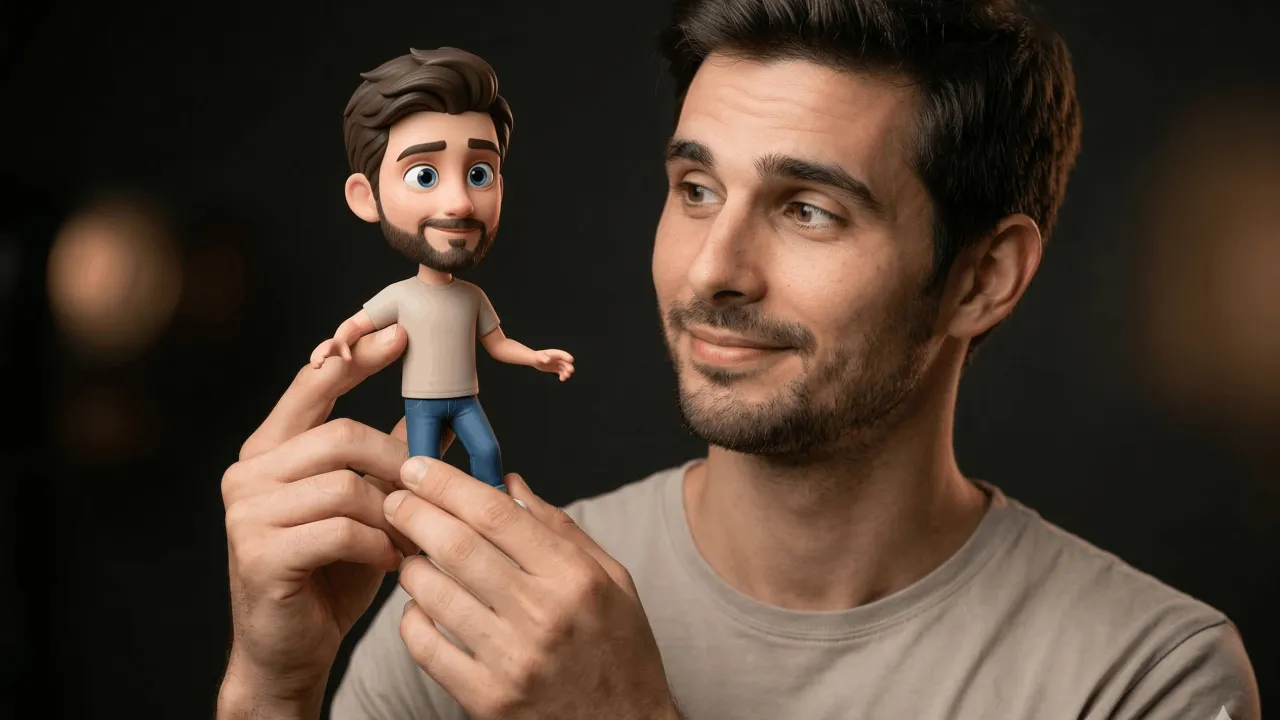
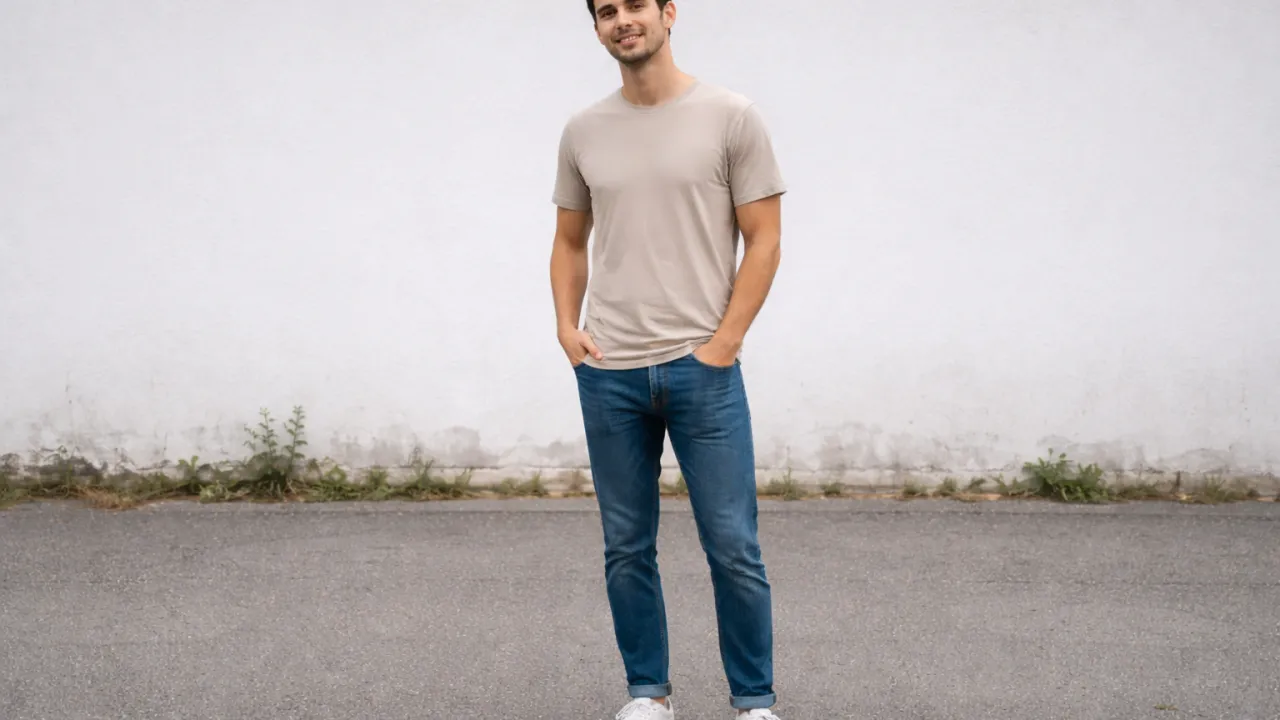
 BeforeAfter
The Prompt
Create a highly stylized 3D character portrait with a blocky, geometric voxel-like form and a handcrafted clay / foam micro-particle texture, inspired by painterly stop-motion aesthetics. Use the person from the ATTACHED REFERENCE PHOTO. Preserve the person’s identity, facial structure, proportions, skin tone, and key features, but reinterpret them into a cuboid, low-poly caricature form with simplified geometry, squared facial planes, and intentionally rigid structure. Apply a dense tactile surface made of tiny bead-like or felted particles across all visible elements for a handcrafted look. Render against a swirling, painterly, post-impressionist background with thick directional strokes and vibrant motion, evoking a dreamlike night-sky energy. Lighting should be soft but directional, with warm highlights and gentle shadow falloff to enhance texture depth without realism. The overall look should feel artistic, whimsical, museum-grade, and handcrafted, not photoreal, not Pixar, not vinyl, not glossy CGI. Ultra-high detail, clean edges, intentional stylization, no text, no logos, no watermarks. Aspect ratio 4:5.

Why **Stop-Motion Textures** are the Top Trending Digital Art Style
In the current creative landscape of 2026, we are witnessing a massive shift toward tactile digitalism. Audiences are moving away from the "uncanny valley" of hyper-realistic CGI and embracing the charm of handcrafted stop-motion aesthetics. This viral trend combines the rigid, blocky nature of voxel art with the soft, inviting textures of physical materials like clay, felt, and foam micro-particles.
The core appeal lies in the "tangibility" of the character. By utilizing a cuboid, low-poly caricature form, the art emphasizes structural identity over smooth surfaces. This results in a museum-grade 3D portrait that feels like a physical collectible rather than a flat digital file.
"The 2026 aesthetic is defined by the marriage of geometric precision and painterly imperfection. It’s about making the digital feel reachable."
Mastering the **Voxel Character Architecture**
Creating a high-ranking visual requires a deep understanding of 3D character proportions and simplified geometry. To achieve this viral look, the design must focus on:
- Squared Facial Planes: Breaking down a person’s likeness into distinct, geometric blocks that maintain their unique facial structure.
- Micro-Particle Textures: Applying a dense, tactile surface made of tiny bead-like or foam-like grains to every visible element.
- Intentional Stylization: Moving beyond "standard" 3D rendering to create a look that is explicitly handcrafted and whimsical.
The **Post-Impressionist Background** and Motion Energy
A major component of this ranked art style is the background. Instead of a flat studio backdrop, viral images now feature swirling, painterly environments. Inspired by post-impressionist masters, these backgrounds use thick, directional brushstrokes to create a sense of dreamlike night-sky energy.
This creates a dynamic contrast: the character is rigid, blocky, and structural, while the background is fluid, vibrant, and full of motion. This visual tension is a key driver for high engagement and social sharing.
Technical Breakdown: Voxel Art vs. Traditional CGI
| Element | Generic CGI | Viral Voxel Handcrafted |
|---|---|---|
| Geometry Style | Smooth & Fluid | Blocky & Cuboid |
| Surface Feel | Plastic/Glossy | Foam/Felt/Clay Particles |
| Visual Energy | Static/Realist | Painterly/Post-Impressionist |
| Artistic Tier | Commercial | Museum-Grade / Artistic |
Prompts and Parameters for **High-Detail 3D Portraits**
To rank effectively in 2026, your content must emphasize clean edges and ultra-high detail. The goal is to avoid any "plastic" or "vinyl" descriptions. Instead, focus on tactile surface depth and intentional caricature geometry. This ensures the output feels like a handcrafted stop-motion puppet from a high-budget animation studio.
Furthermore, this style is inherently generic and inclusive. By focusing on the structural essence of a person—their glasses, hair silhouette, and clothing patterns—the art becomes a universal symbol of identity that resonates across all demographics.
Did you find this helpful?
Show your support! Your feedback helps us create more amazing content.